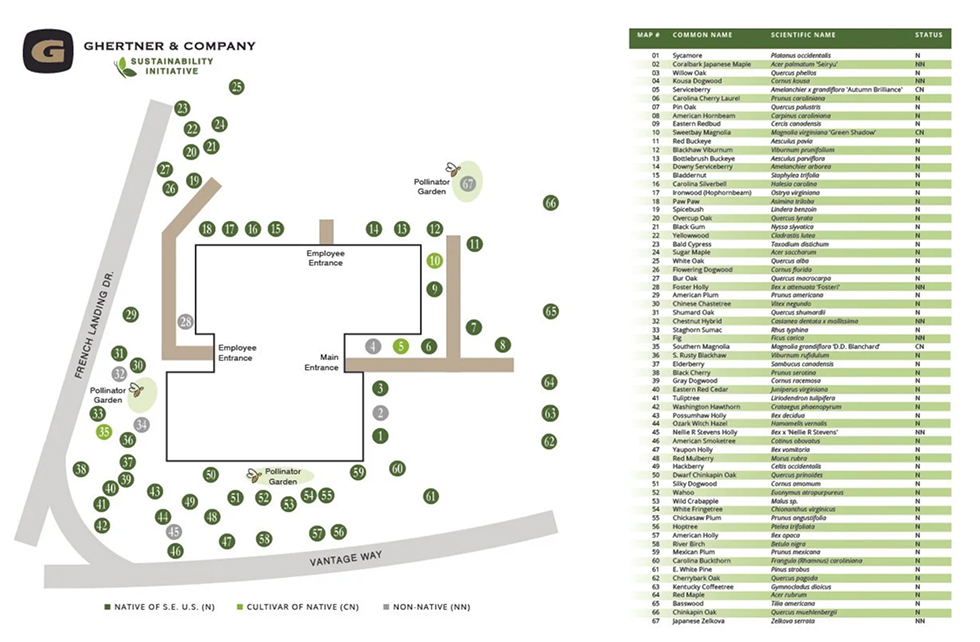
Arboretum

The arboretum is a demonstration project in the city of Nashville showing how trees increase property values and reduce energy costs while also providing many health and community benefits. We are a certified level two arboretum through the Tennessee Urban Forestry Council.

What is an Arboretum?

A living collection of trees and shrubs cultivated and labeled for educational and scientific purposes. Click on the sections below or click on the Videos section in the navigation menu to understand how trees play an important environmental role in our association communities.

Economic Benefits
  • The coverage for Intraoperative Neuromonitoring Services can differ based on your insurance plan and benefits. You may be responsible for cost-sharing, co-pays, or deductibles.
  • We are a participating provider with Medicare, Medicaid, and Government sponsored plans.
  • While we are Out of Network with most Commercial insurance plans, we adhere to the Federal No Surprise Act and State legislation. In most cases, your out of pocket will be limited to In Network Cost Share – the same as if you were receiving services from an In Network provider.
  • If your insurance plan does not provide coverage for our services, we are happy to discuss self-pay options with you.
  • Trees improve air quality.  Their leaves act as giant air filters.
  • Trees reduce the amount of noise pollution.
  • Trees provide beauty and a sense of tranquility.
  • Walking or sitting amongst trees or seeing a tree from one’s window
    – Boosts the immune system
    – Reduces stress
    – Lowers blood pressure
    – Improves mood
    – Increases energy levels
    – Improves sleep
    – Increases the ability to focus
  • Trees reduce polluted stormwater runoff and flooding by absorbing rainwater and filtering pollutants.
  • Trees provide important food and shelter to wildlife. By focusing on natives and eliminating pesticides, the Ghertner & Company Arboretum is providing vital habitat. Over 100 species of birds, pollinators, turtles, frogs and other wildlife have been observed, including the threatened Monarch butterfly and the American bumblebee.

Please click the image to open the map in a new page for better viewing and to download a copy of the map.