
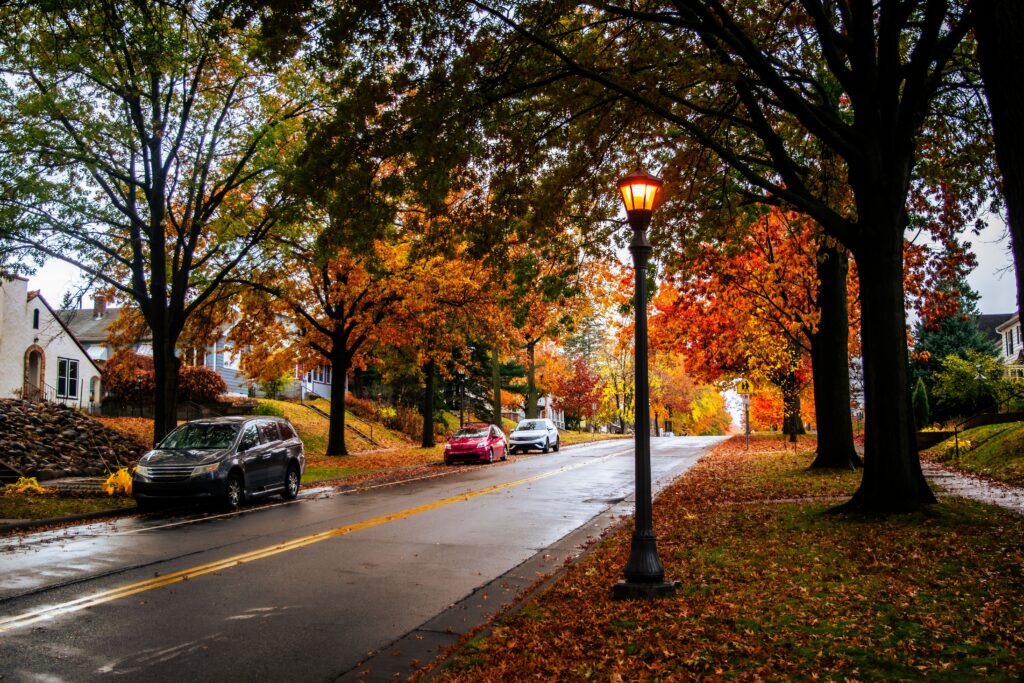
If you are on the HOA Board, you already know that the maintenance moves you make in fall are what determine how smoothly winter goes. Using the fall weeks wisely can help avoid emergency repairs, frozen pipes, and other unexpected costs that could pop up when the temperature drops.
Need the ultimate fall maintenance checklist? Here is how our community association management team at Ghertner & Company makes winter manageable.
Why Fall Maintenance Matters for HOAs
Small problems ignored in fall become expensive problems in winter. A clogged gutter left alone can lead to ice dams and water damage. A cracked walkway left unrepaired becomes a liability issue once it freezes and thaws repeatedly. Waiting until the first cold snap to address these issues almost always costs more than handling them ahead of time.
Fall maintenance also protects the board’s budget. Preventative repairs are cheaper than emergency ones. Vendors are easier to schedule before their calendars fill up with winter emergency calls. Getting ahead of the season is one of the most cost-effective decisions a board can make all year.
Landscaping and Tree Maintenance
Fall landscaping work protects both the property and the people who live there. Overgrown or dead branches become a real hazard once winter storms and ice arrive.
Pruning should happen before the first hard freeze. Remove dead or weak branches near buildings, walkways, and parking areas. This reduces the risk of storm damage and falling limbs later in the season.
Leaf removal matters more than it might seem. Piles of wet leaves left on walkways create slip hazards. Left on lawns too long, they can smother grass and create drainage problems come spring.
Inspect Roofs and Gutters
Roofs and gutters take on more stress in winter than any other time of year. A fall inspection catches problems while they’re still cheap to fix.
Debris removal should happen at least once, ideally twice, before winter. Clogged gutters can’t do their job, and standing water on a roof leads to leaks and structural damage over time.
Drainage inspections should confirm that water is actually moving away from buildings and foundations. Downspouts that empty too close to a structure can cause serious damage over a winter of freeze-thaw cycles.
Preventing water damage is the end goal. Water is one of the most destructive forces a building faces, and most water damage is preventable with routine fall inspection.
Review Community Lighting and Safety Features
Shorter days mean residents are walking through common areas in the dark far more often. Lighting isn’t just a comfort issue. It’s a safety and liability issue.
Check parking lots for burned-out fixtures and dark spots. Poor lighting in parking areas is one of the more common sources of resident complaints and safety concerns.
Walkways need the same attention. Icy or uneven paths are dangerous enough in daylight. In poor lighting, the risk multiplies.
Test and repair security lighting around common buildings, entrances, and amenity areas before daylight hours shrink further. A working light fixture in October is a much smaller task than an emergency repair in January.
Prepare Pools and Recreational Amenities
Pools and outdoor amenities need proper winterization to avoid costly spring repairs.
Winterization involves draining lines, adding appropriate chemicals, and covering the pool correctly to prevent freeze damage. Never skip or rush this process; always have a qualified pool service handle it.
Equipment inspections for pumps, filters, and heaters should happen before shutting the pool down for the season. Catching a failing part now is far cheaper than replacing damaged equipment in spring.
Evaluate Roads, Sidewalks, and Common Areas
Pavement damage that seems minor in fall often becomes a major problem after a winter of freezing and thawing.
Crack repairs should happen before winter, not after. Water gets into small cracks, freezes, and expands, turning minor damage into major repairs by spring.
Trip hazards like heaved sidewalk sections or uneven pavement should be flagged and addressed. These create real liability exposure for the association, especially once ice is added to the equation.
Drainage concerns around parking lots and walkways deserve a close look. Standing water that freezes creates dangerous conditions and accelerates pavement damage.
Review Winter Emergency Plans
Fall is the time to lock in a plan, not scramble for one once the first storm hits.
Snow and ice preparation starts with confirming your vendor contract is signed and scoped correctly. Response times, coverage areas, and trigger conditions should all be clear before the first snowfall, not negotiated during it.
Vendor coordination extends beyond snow removal. Confirm availability with tree services, plumbers, and general maintenance contractors who may be needed on short notice during winter weather events.
Resident communication rounds out the plan. Let residents know what to expect from snow removal, how to report hazards, and who to contact in an emergency. Clear expectations reduce complaints and confusion once winter weather actually arrives.
Budgeting for Seasonal Maintenance
Fall maintenance isn’t just a task list. It’s a budgeting opportunity.
Preventative maintenance savings add up quickly. A gutter cleaning costs far less than repairing water damage to a building’s structure. A pruned tree limb costs far less than storm cleanup and property damage after it falls.
Reserve planning should account for the fact that seasonal wear adds up over time. Roofs, pavement, and outdoor equipment all age faster in communities that skip preventative maintenance. Building fall maintenance into the annual budget protects both the community’s assets and its reserve fund’s long-term health.
Frequently Asked Questions
What should be on a fall HOA maintenance checklist? A complete checklist should include landscaping and tree care, roof and gutter inspections, lighting checks, pool winterization, pavement and sidewalk evaluations, and a confirmed winter emergency plan.
Why is preventative maintenance important? Preventative maintenance catches small issues before they become expensive repairs. It also reduces liability risk and helps the board avoid unplanned expenses that strain the budget or lead to special assessments.
When should HOAs begin winter preparations? Most fall maintenance tasks should begin in September and be substantially complete by late October, before the first hard freeze in most regions.
How often should common areas be inspected? Common areas should be inspected seasonally at minimum, with more frequent checks on high-use amenities like pools, parking lots, and walkways during transitional weather periods like fall and spring.
Meet Your Fall Maintenance Needs With Ghertner & Company on Your Side
Ghertner & Company helps communities stay proactive with maintenance planning, budgeting, and professional community management services. Contact us today to learn how we can help your association prepare for the season ahead.