
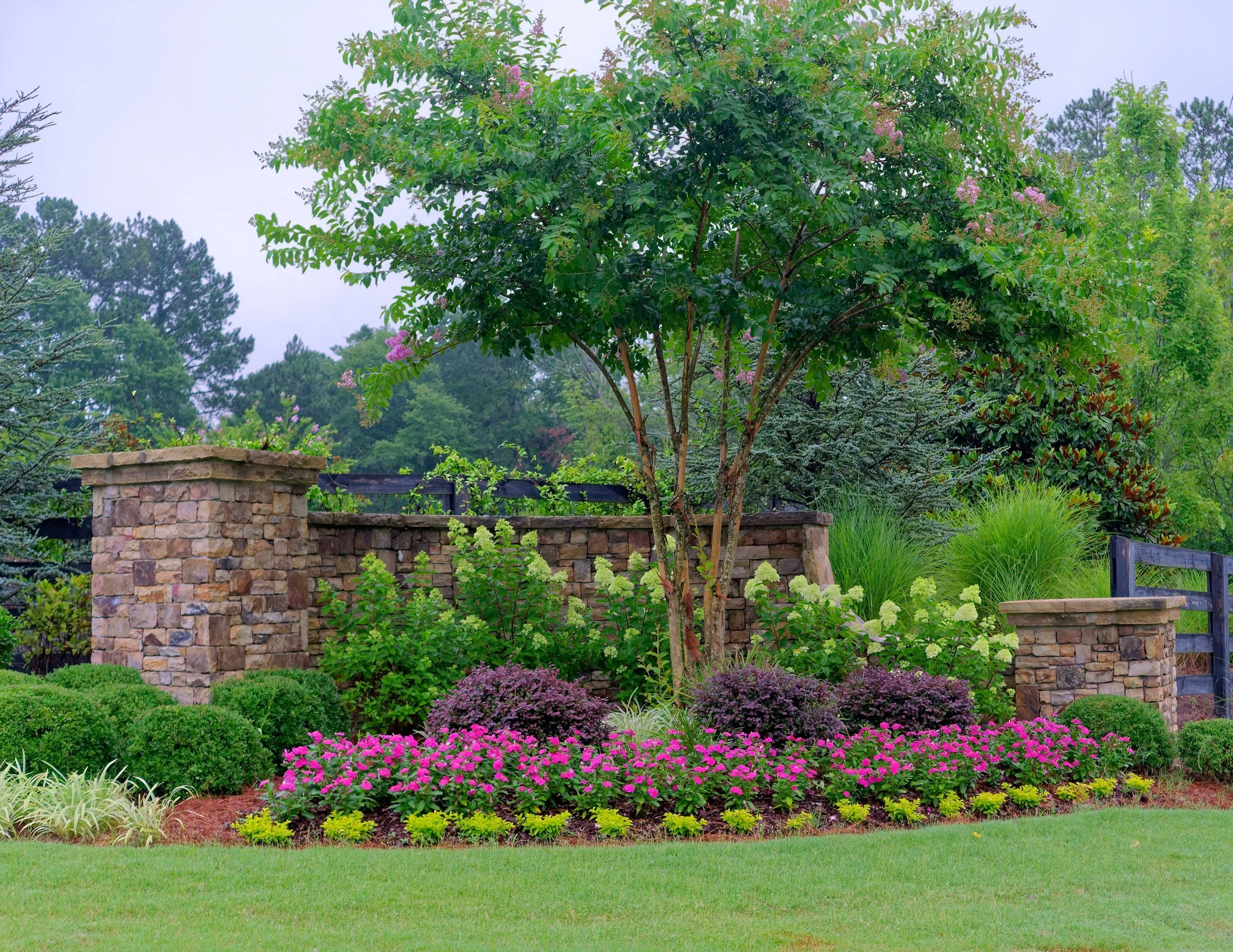
Summer is when HOA communities thrive on activity and the act of being a community! The pools fill up, children laugh and run around at the playground, and common areas become popular places to escape the heat or discuss current events over coffee.
Increased activity is amazing for an HOA, but it’s also a sign that summer is the most important time of the year to stay ahead of maintenance.
As the heat rises, you want to make sure your community stays comfortable. Our proactive checklist can help keep your community safe, attractive, and running smoothly!
Let’s dig into the details!
Why Summer Maintenance Is Important for HOAs
HOA boards carry the responsibility of protecting community assets. That job gets harder when maintenance is reactive rather than planned.
Summer heat accelerates wear on pavement, roofing, and irrigation systems. Storm season can damage trees, gutters, and building exteriors. Higher pool and amenity usage means more wear on equipment and safety features. All of it adds up quickly when there is no system in place.
A structured summer maintenance program reduces emergency repair costs, keeps residents satisfied, and supports long-term property values. Communities that look well-cared-for attract buyers and keep current homeowners proud of where they live.
Inspect Community Landscaping
Lawn and Irrigation Systems
You want your lawns to stay green during a scorching summer. So, start with inspecting the irrigation system. Check every sprinkler zone for broken heads, leaks, and coverage gaps. Dry spots in the lawn often point to a malfunctioning zone that has been overlooked.
Adjust watering schedules to account for summer heat while staying mindful of local water conservation guidelines.
Overgrown turf along walkways and curbs quickly creates a neglected appearance. Work with your association management team to schedule vendors for regular mowing and edging throughout the season, not just at the start of it.
Trees and Shrubs
Summer storms can hit hard and turn an overgrown tree into a liability.
Inspect trees near buildings, parking areas, and walkways for dead branches, leaning trunks, or signs of disease. Trim back shrubs that are blocking signage, lighting, or sightlines near entrances.
Remove any limbs or debris that could become hazardous in high winds. Addressing these issues before storm season is far less expensive than cleaning up damage after one.
Prepare Community Pools and Amenities
Pool Maintenance
Pool season is one of the highest-visibility aspects of HOA management. But you want your pool to look and feel its best for families using it daily.
Start with water quality. Test chemical levels regularly and document results. Equipment inspections should cover pumps, filters, heaters, and lighting. Worn or malfunctioning equipment should be repaired before it causes a closure.
Safety signage must be clearly posted and in good condition. Depth markers, no-diving signs, and pool rules should all be legible and properly placed. Confirm that required safety equipment such as life rings and reaching poles are present and accessible.
Recreational Areas
Playgrounds take a beating over the summer.
-
Inspect equipment for loose hardware, splintered wood, rust, and worn surfaces
-
Check that fall zones have adequate cushioning material
-
Perform a surface inspection on all sports courts (look for cracks, faded lines, net/backboard damage)
-
Clean clubhouses and check HVAC performance before peak usage starts
Anything that poses a safety risk should be addressed before residents report it.
Evaluate Common Areas
Sidewalks and Walkways
Walk every common pathway and note any cracks, uneven sections, or raised edges. Trip hazards are one of the most common sources of HOA liability. Address them quickly and document the repair. Even a temporary caution marker buys time while a permanent fix is scheduled.
Parking Lots and Roadways
Summer is the right time for pavement work.
-
Inspect parking lots for cracking, pothole formation, and faded striping
-
Sealcoating extends pavement life significantly and is most effective in warm, dry weather
-
Restripe faded lines to keep traffic flow clear and parking organized
-
Check drainage in low-lying areas. Standing water after rain accelerates pavement deterioration and creates a slip hazard.
-
Clear blocked drains before summer storms roll in
Review Building Exteriors
Roof Inspections
Schedule a professional roof inspection for all HOA-maintained buildings before storm season peaks. Look for missing or lifted shingles, deteriorating flashing, and soft spots that indicate underlying damage.
Catching roof issues early prevents interior water damage that costs far more to repair.
Gutters and Drainage Systems
Clean gutters of any debris left from spring. Blocked gutters back up during heavy rain and can cause water intrusion along rooflines and foundations.
After cleaning, test downspouts to confirm water is flowing away from buildings properly.
Exterior Lighting
Walk common areas after dark or test fixtures manually. Replace burned-out bulbs and check that motion-sensor lights are functioning. Well-lit pathways and parking areas improve safety and reduce liability. Summer evenings bring more outdoor activity, which makes lighting more important than ever.
Check Community Safety Features
Security Systems
Test gate operations and access control systems at every community entrance. Check that keypads, card readers, and remote access functions are working correctly.
Lubricate gate hardware and inspect for signs of wear. A gate that fails during peak summer activity is a frustration residents will not forget.
Fire Safety Equipment
Inspect fire extinguishers in all common buildings and confirm they are within service dates. Check that emergency exit signage is clearly visible and that exit paths are free of obstruction. These items are easy to overlook but pose real liability if not maintained.
Schedule Preventative Maintenance Services
Your Board must schedule HVAC servicing for clubhouses and common buildings before demand peaks. Mechanical equipment including elevator systems, sump pumps, and backup generators should be tested and serviced on a regular schedule.
Vendor coordination is one of the most time-consuming parts of HOA maintenance. Having established relationships with reliable contractors makes scheduling faster and results more predictable. Our management team maintains vetted vendor networks that communities can draw on without having to start from scratch each season.
Communicate Maintenance Plans to Residents
Community Updates
Residents respond better to maintenance activity when they know it is coming.
-
Send email notifications before work begins in common areas, especially if it involves noise, access restrictions, or temporary closures
-
Post updates on your resident portal and include a general maintenance schedule in your summer newsletter
Homeowners who see the board actively maintaining the community are more likely to feel their dues are well spent.
Reporting Procedures
Make it easy for residents to report maintenance concerns:
-
Emphasize using an online portal
-
Create a dedicated email address for reporting
-
Have staff ready to answer the phone
Acknowledge reports promptly and follow up with a resolution update. That communication loop matters to homeowners more than most boards realize.
Benefits of a Proactive HOA Maintenance Program
Staying ahead of maintenance is one of the highest-return activities an HOA board can prioritize.
Repair costs stay lower when problems are caught early. A $200 crack repair becomes a $2,000 pavement replacement if left too long.
Aside from lowering repair costs, other key benefits include the following:
-
Resident satisfaction improves
-
Property values reflect the overall condition of the neighborhood
-
Buyers and appraisers notice the proactive maintenance made to a community
A structured summer maintenance program also makes the board’s job easier. When vendors are scheduled, inspections are documented, and communication is organized, the board spends less time putting out fires and more time governing.
Ghertner & Company helps communities across Tennessee, Kentucky, and Alabama build and execute maintenance programs that protect assets and support long-term value. Our team coordinates vendors, manages inspections, and keeps residents informed so boards can focus on what matters most.
Frequently Asked Questions
What should an HOA inspect during the summer?
Priority areas include pools and recreational amenities, irrigation systems, roofing, pavement, common area lighting, safety equipment, and security systems. A thorough inspection at the start of the season sets the tone for the rest of the summer.
How often should HOA common areas be maintained?
Frequency depends on the asset. Landscaping typically requires weekly attention during summer. Pools need chemical testing multiple times per week. Structural elements like roofs and pavement are best inspected annually, with repairs addressed as needed.
Why is preventative maintenance important for HOAs?
Preventative maintenance costs less than emergency repairs. It also reduces liability, improves community appearance, and extends the lifespan of shared assets. Communities with structured maintenance programs spend less over time.
What are the most common HOA summer maintenance tasks?
Irrigation checks, pool maintenance, tree trimming, pavement inspection, exterior lighting checks, and common area cleaning are the most consistent priorities across HOA communities during summer months.
How can HOA boards reduce maintenance costs?
Scheduling work in advance, using vetted vendors, documenting inspections, and addressing small issues quickly all reduce costs over time. Working with a professional management company also helps, since established vendor relationships often come with better pricing than one-off contracts.
Give Summer Maintenance the Ghertner Approach this Season
Summer is here, and you need your association to be prepared for your owners. If your HOA is ready to approach summer maintenance with a more organized plan, Ghertner & Company can help. We can work with your Board to create a summer maintenance schedule that keeps your community flowing smoothly in the sun.
Contact our HOA management company today to learn more about our HOA community management services across Tennessee, Kentucky, and Alabama.